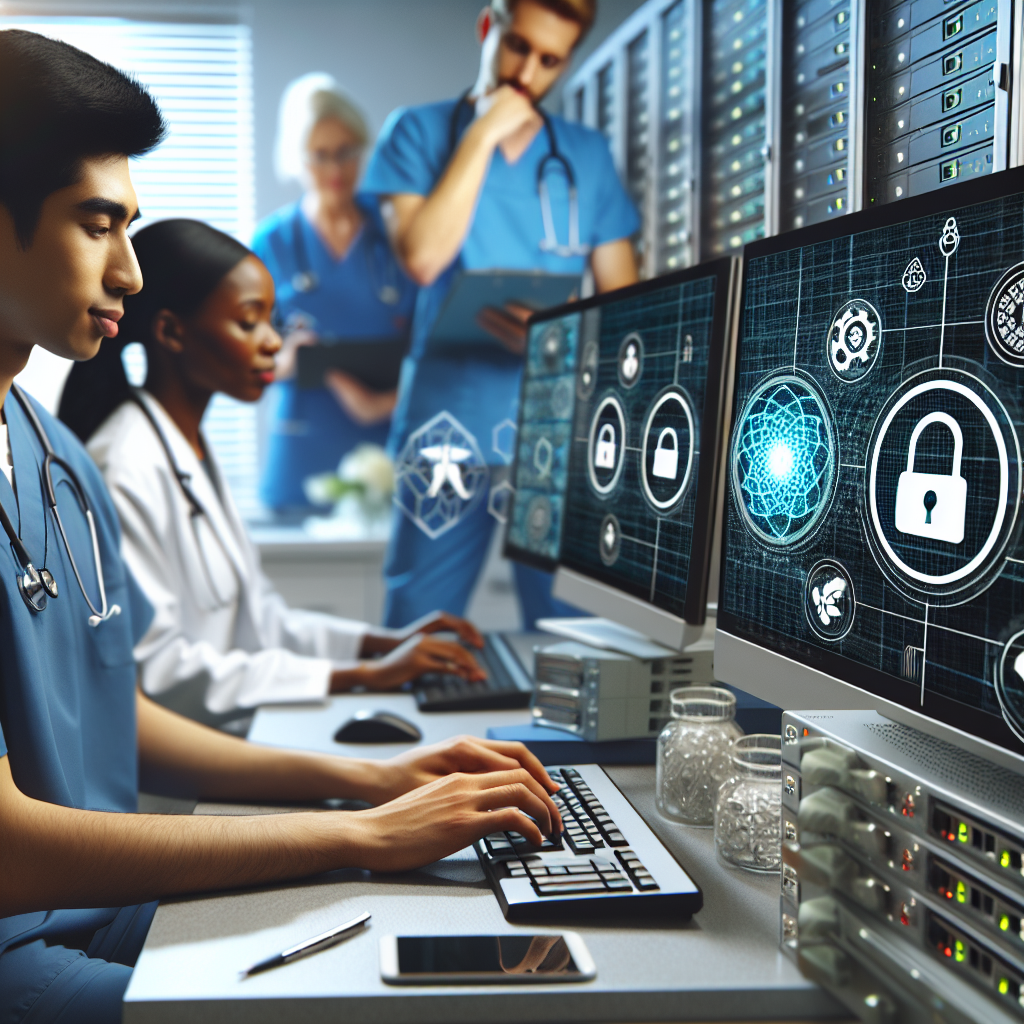
In today’s digital age, technology plays a crucial role in revolutionizing the healthcare industry. From telemedicine to AI diagnostics and wearable health devices, these innovations have greatly improved patient care and outcomes. However, with the benefits of these advancements also come cybersecurity risks that must be addressed to ensure patient data security.
Telemedicine has become increasingly popular, allowing patients to receive medical consultations and treatment remotely. While this offers convenience and accessibility, it also opens up potential vulnerabilities for cyber attacks. Healthcare providers must implement robust security measures to protect sensitive patient information during telemedicine sessions.
AI diagnostics have transformed the way diseases are diagnosed and treated. By analyzing vast amounts of data, AI can provide more accurate and timely diagnoses. However, the reliance on AI also means an increased risk of cyber threats targeting this technology. It is essential for healthcare organizations to regularly update their AI systems and ensure they are secure from potential breaches.
Wearable health devices have empowered individuals to track their health metrics in real-time. From fitness trackers to smartwatches, these devices collect valuable data that can be used for preventive care and monitoring chronic conditions. To safeguard this information, users should enable encryption features on their devices and only share data with trusted healthcare providers.
Patient data security is paramount in healthcare technology. With the growing amount of personal information stored electronically, it is crucial for healthcare organizations to prioritize cybersecurity measures. This includes encrypting data transmissions, implementing multi-factor authentication, and regularly auditing systems for vulnerabilities.
In conclusion, while healthcare technology offers numerous benefits for both patients and providers, it is important to address cybersecurity risks to protect patient data security. By staying informed about potential threats and implementing proactive measures, we can ensure that our healthcare systems remain secure and trustworthy.

Leave a Reply